Learning to Do
IT STARTS IN THE CLASSROOM.
Where agriculture turns out to be science, business, and technology.
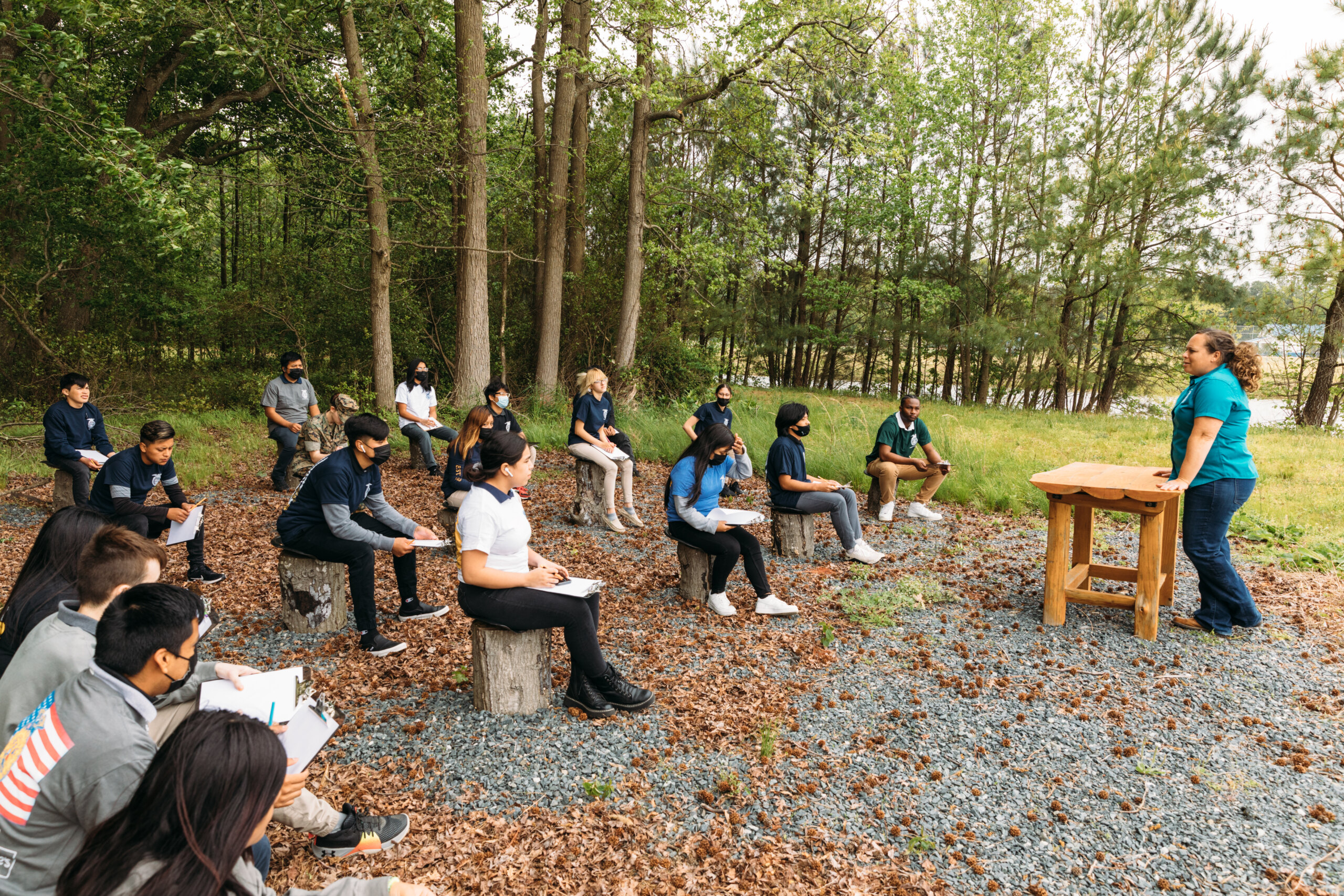
Step into an agricultural education classroom and it may not look like what you’d expect. Students are testing soil chemistry, running the numbers on a business plan, wiring a sensor, debating food policy. Farming is the root — and everything growing from it is here on day one.
Inside the classroom
ONE SUBJECT, TAUGHT THROUGH EVERYTHING.
What looks like one class is really a dozen disciplines wearing work boots.
Plant & animal science
Biology and chemistry you can put your hands on.
Ag mechanics & technology
Engineering, electrical, welding, and robotics.
Agribusiness
Economics, finance, marketing, and management.
Natural resources
Ecology, environmental science, and conservation.
Food science
Nutrition, safety, and the science of what we eat.
It’s led by an agriculture teacher — who becomes, for a lot of students, the most important adult in their school day. They aren’t just teaching a subject. They’re opening a field.
Why it sticks
Nothing here is learned to be forgotten after the test. Every concept is pointed at something real — which is exactly why the next step matters.
THE CLASSROOM IS ONLY HALF OF IT.
A lesson you can apply is a lesson worth applying.
So students don’t stop at learning it. They take it out into the world and put it to work — on a real project, job, or business of their own.